When Governments Gate AI Access: What It Means for Developers
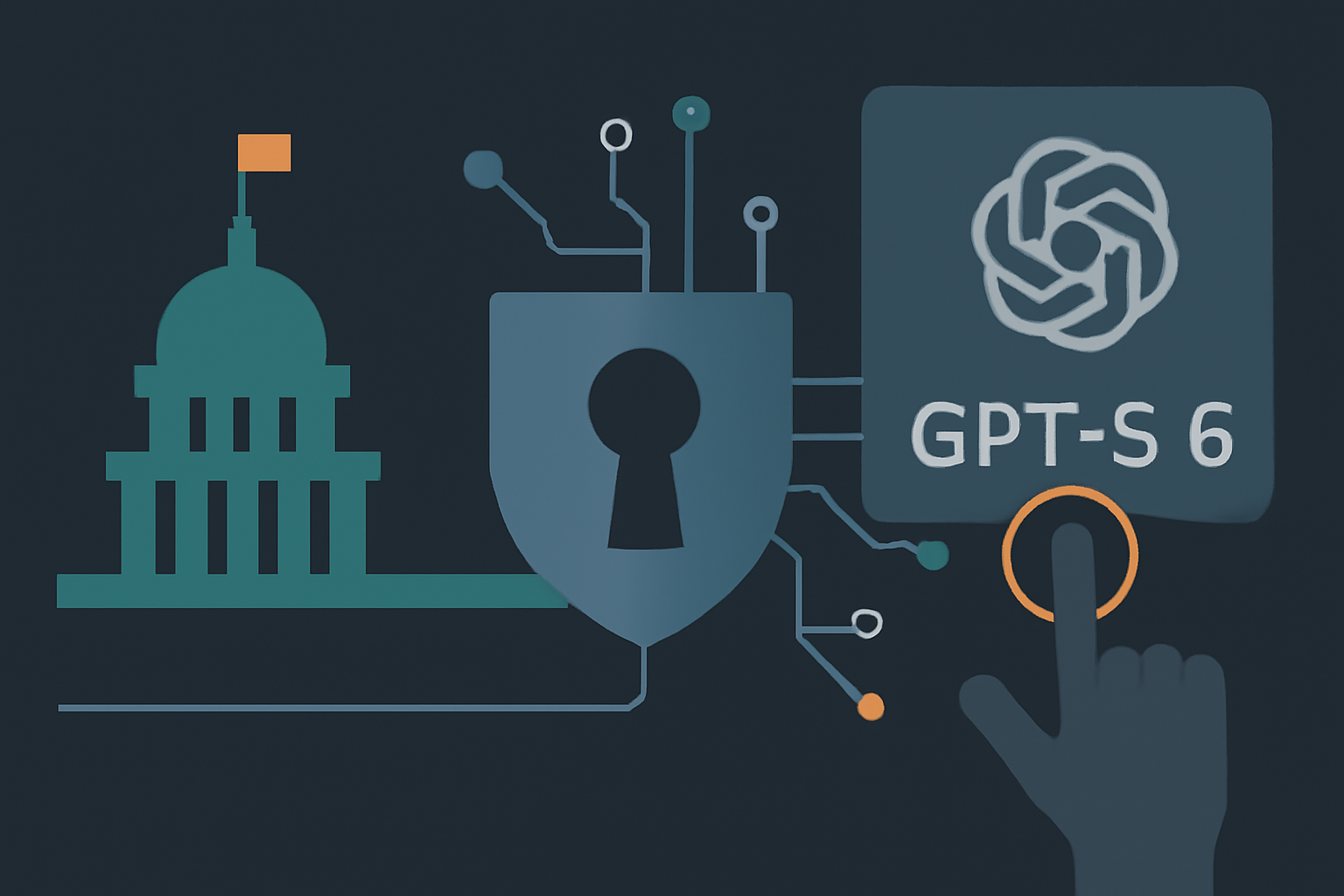
OpenAI's decision to let the U.S. government vet who can access its latest frontier model marks a genuinely unprecedented shift in how powerful AI gets distributed. For years, accessing a cutting-edge language model meant signing up for an API key, agreeing to a terms of service, and maybe waiting on a waitlist. Now, at least for the most capable models, the gatekeeping may involve federal oversight.
This is worth unpacking — not just as a policy story, but as a signal about where the entire AI industry is heading.
What's Actually Happening
OpenAI is apparently working with U.S. government entities to screen users before granting access to its most advanced model. The framing is around national security and preventing misuse by foreign adversaries or bad actors. On its face, that sounds reasonable. Frontier AI models are genuinely powerful tools, and the concern that they could be used to accelerate bioweapon research, cyberattacks, or large-scale disinformation isn't hypothetical.
But the practical implications are significant. A government-vetting process introduces friction, latency, and uncertainty that simply didn't exist before. For a solo developer in Austin building a research assistant, that might be a minor annoyance. For a startup trying to integrate the latest capabilities into a product, it could be a meaningful blocker.
The Two-Tier AI Landscape
What's emerging is essentially a two-tier model ecosystem. On one side, you have frontier proprietary models — GPT-5-class systems from OpenAI, Gemini Ultra from Google, Claude Opus from Anthropic — where access may increasingly come with strings attached, compliance requirements, or outright restrictions. On the other side, you have open-weight models like Llama, Mistral, and DeepSeek, which anyone can download, run locally, and use without asking permission from anyone.
The irony is that government vetting of API access does almost nothing to stop a determined bad actor who can simply spin up an open-weight model on their own infrastructure. What it does do is add friction for legitimate developers, researchers, and businesses.
This dynamic is going to accelerate investment in and adoption of open-weight alternatives. If accessing the most capable proprietary model requires jumping through regulatory hoops, teams will increasingly ask: "Is this model that much better than what we can run ourselves?"
What This Means If You're Building With AI APIs
For developers who rely on AI APIs to build products and workflows, the takeaway is straightforward: diversification matters more than ever.
If your entire stack depends on a single proprietary model provider, you're exposed to policy changes that are entirely outside your control. Terms can change, access can be restricted, and now apparently governments can weigh in on whether you qualify to use a given model at all.
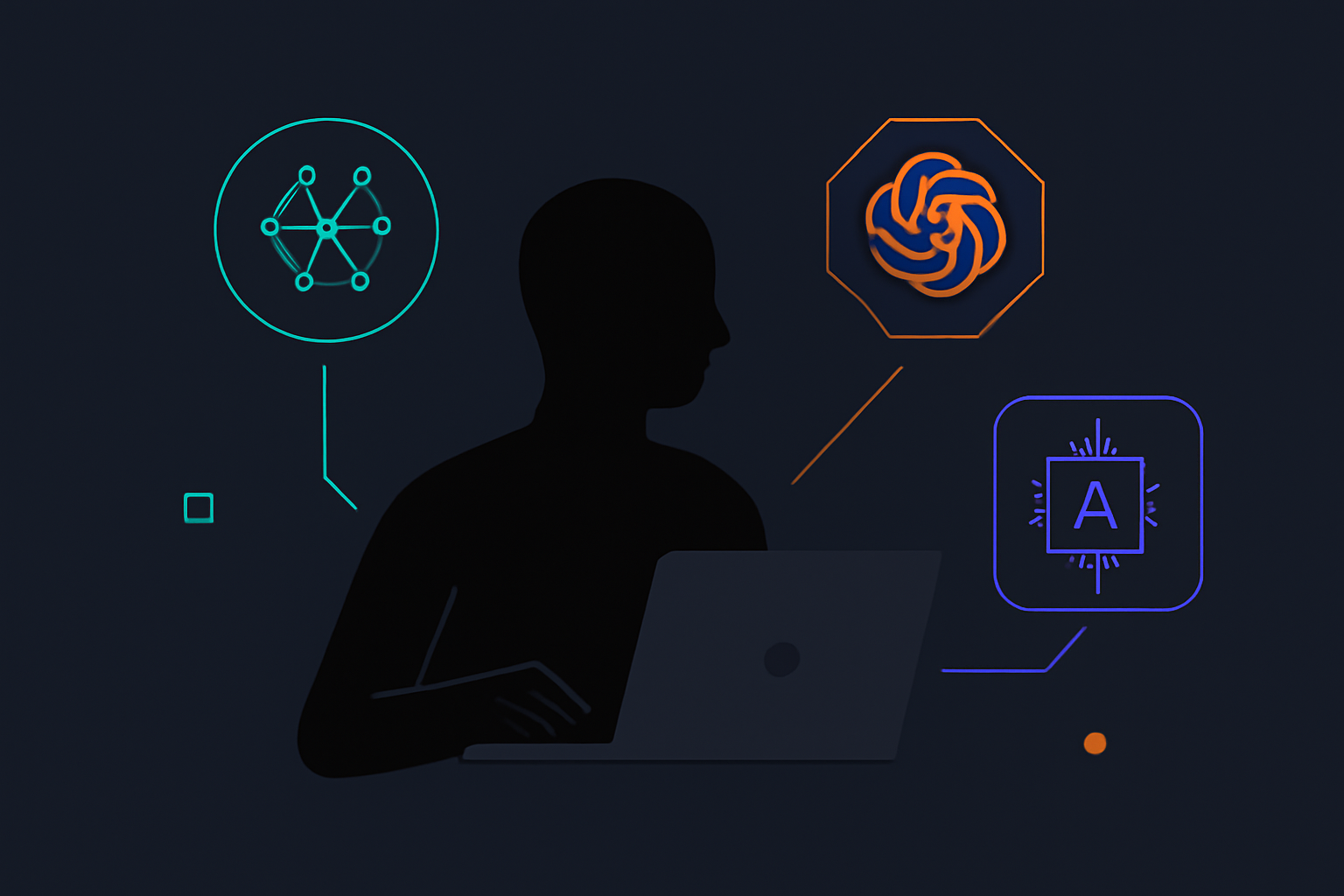
Building with an abstraction layer — something that lets you swap between OpenAI, Anthropic, Google Gemini, DeepSeek, and other providers without rewriting your integration — isn't just good engineering hygiene. It's becoming a genuine business continuity strategy. When one provider tightens access, you need the ability to route to another without downtime or a costly refactor.
This is precisely the kind of risk that a unified AI API gateway is designed to absorb. At KodaAPI, one API key gives you access to 100+ models across all the major providers. If access to a specific frontier model gets restricted or gated, you can shift to a comparable model with a single config change — no new accounts, no new integrations, no waiting on a government review board.
The Bigger Question: Who Controls AI Access?
Beyond the practical developer implications, there's a larger question worth sitting with. AI is increasingly foundational infrastructure — like cloud compute or internet access. The decision about who gets to use it, and under what conditions, is a genuinely consequential one.
Government involvement in that decision-making isn't inherently bad. There are real risks that come with unrestricted access to the most capable models. But there are also real risks that come with concentrated control — both by corporations and by governments. A world where a small group of officials decides which companies and individuals qualify to use the most powerful AI tools is a world with a lot of potential for both overreach and capture.
The open-source AI movement exists, in part, as a counterweight to exactly this kind of concentration. The fact that models like DeepSeek R2 and Llama 4 are publicly available and runnable by anyone is not just a technical fact — it's a structural check on the ability of any single entity to control who gets to use advanced AI.
Looking Ahead
Expect this to get messier before it gets cleaner. More frontier models will likely come with access restrictions of various kinds. Compliance requirements will increase. And the gap between "AI you can freely use" and "AI you have to qualify for" will widen.
The developers and teams who will navigate this best are the ones building flexible, provider-agnostic architectures today — before the restrictions they didn't anticipate make flexibility an emergency rather than a feature.
Inspired by washingtonpost.com